Understand the Problem
Clarify business objectives, users, requirements, workflows, and constraints before deciding how to build.
PRODUCT ENGINEERING
Turn business requirements into reliable, usable, and scalable technology products through thoughtful design, software engineering, integration, and continuous improvement.
OUR APPROACH
Successful technology products begin with a clear understanding of the problem they solve. We bring business requirements, user needs, engineering decisions, and practical implementation together to shape software that serves a real purpose.
Clarify business objectives, users, requirements, workflows, and constraints before deciding how to build.
Translate requirements into maintainable software architecture, well-defined application components, and useful user experiences.
Consider testing, usability, maintainability, and future improvements throughout the product lifecycle.
WHAT WE BUILD
From early product definition to application development and improvement, we bring together the engineering capabilities needed to turn requirements into working software.
Translate business problems into clear requirements, user workflows, feature priorities, and prototypes that establish a practical direction for development.
Develop business applications, SaaS platforms, management systems, customer portals, and browser-based tools around real operational needs.
Build mobile and cross-platform applications that provide accessible, consistent experiences across the devices and environments relevant to the product.
Engineer application services, business logic, database-backed workflows, APIs, and integrations that connect applications and existing systems.
Validate application behavior, identify defects, and improve reliability through structured testing and quality-focused engineering practices.
Improve existing applications through refactoring, feature enhancement, maintainability improvements, and carefully planned technical changes.
CHALLENGES WE SOLVE
Product ideas often arrive as business problems first. We help teams turn those problems into bounded, buildable work and ship software that fits the way people actually work.
THE RIGHT FIT
We start from the problem you have and the users you serve, then recommend the simplest sound path — whether that is a new product, a focused modernization, or a targeted integration.
OUR PROCESS
Product development is a connected loop, not a one-off handoff. We move from problem definition through delivery and back into improvement as needs change.
Understand the problem, business objectives, user needs, requirements, and technical constraints.
Define user journeys, interfaces, application architecture, and implementation priorities.
Develop application features, business logic, data handling, and required integrations.
Test the implementation against agreed requirements, resolve issues, and prepare the agreed release.
Refine the product based on feedback, changing needs, and opportunities for technical improvement.
IN PRACTICE
Product engineering takes different forms depending on the problem, users, and operating environment. The focus remains on creating useful software that supports real workflows.

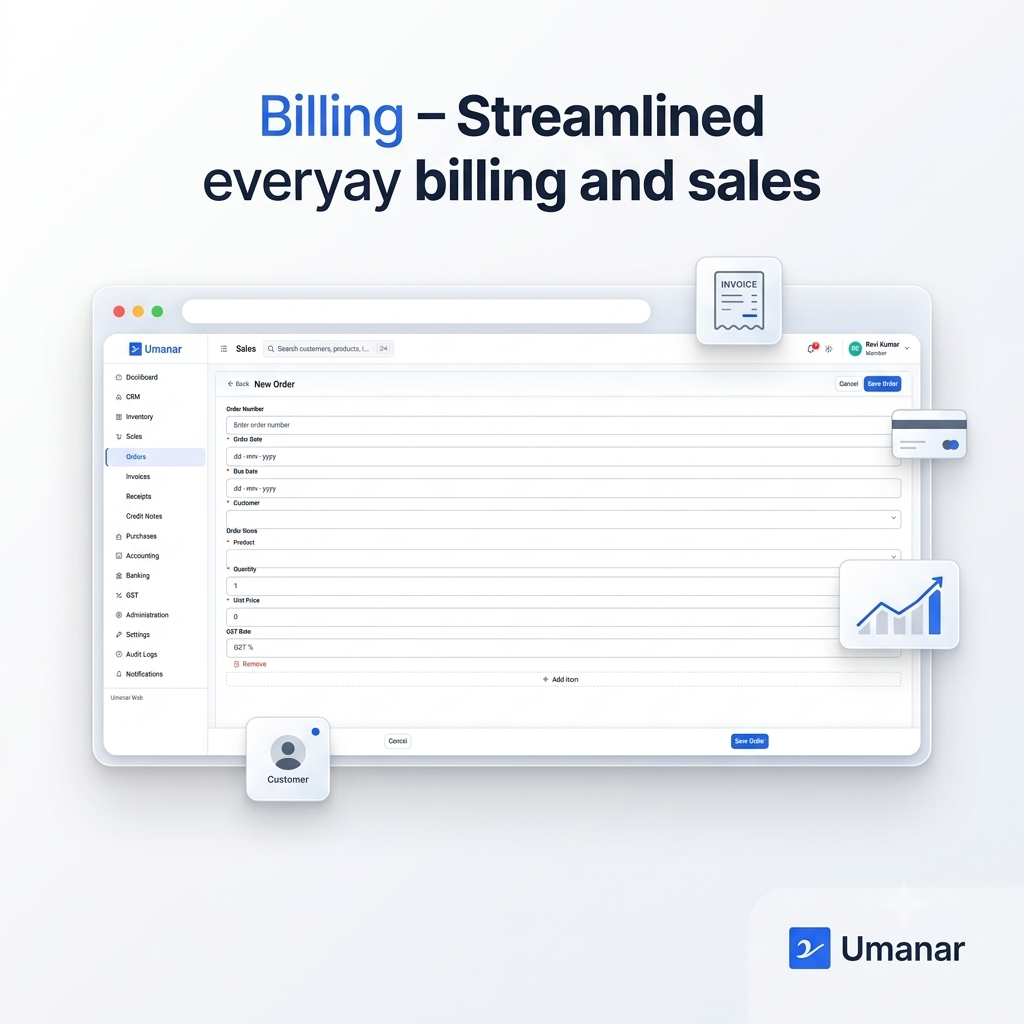
Applications for billing, inventory, administration, and operational workflows that help businesses manage information and everyday activities.
Web-based products, subscription platforms, customer-facing applications, and digital tools designed around defined user needs.

Purpose-built software for education, libraries, language learning, publishing, and other specialized workflows.
INDUSTRIES
Product engineering applies wherever teams build software to run or grow their operations.
WHY 05 IT SOLUTIONS
We bring research-driven thinking and product engineering together to explore business challenges, identify suitable approaches, and build software around real requirements.
Approach technical decisions with structured investigation and attention to the problem being solved.
Keep user needs, workflows, and business objectives central to development decisions.
Consider web, mobile, and application services as parts of a coherent product where appropriate.
Bring software engineering together with AI, IoT, and automation when they are relevant to the product requirements.
Consider discovery, implementation, validation, release, and subsequent improvement as connected parts of product development.
FAQ
Product engineering considers the broader product lifecycle, including problem definition, requirements, architecture, development, validation, and improvement. Software development is an important part of that lifecycle.
Yes. A project can begin with requirements clarification, workflow definition, and feature prioritization before moving into design and implementation, depending on the project's scope.
Depending on the requirements, projects may include web applications, SaaS products, mobile and cross-platform applications, business management systems, APIs, and specialized software.
Yes. Existing applications can be assessed for targeted improvements, feature enhancement, maintainability, integration, and testing, subject to the application's technical condition and project scope.
Yes, where they address a genuine requirement. Integration options depend on the use case, existing systems, device capabilities, and technical constraints.
Start by sharing the business problem, intended users, current challenges, and your initial requirements. The team can then discuss the scope and a suitable next step.
LET'S BUILD SOMETHING USEFUL
Let's discuss your requirements, explore the right engineering approach, and identify the next practical step for your product.